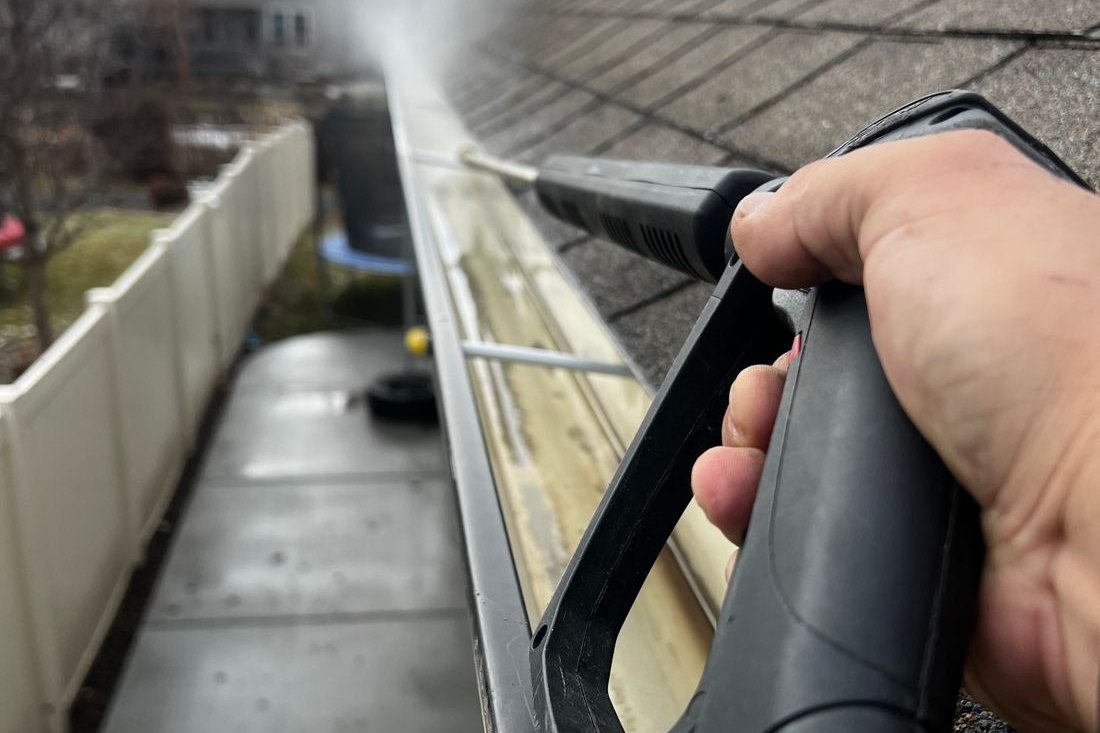
House Washing (Soft Wash)
Your siding takes the brunt of Georgia's humidity, and that means mold, mildew, and algae build up faster than most homeowners expect — especially on shaded or north-facing walls. We use a low-pressure soft wash with a cleaning solution instead of blasting siding at full pressure, which protects paint, caulking, and trim from damage.
Ignored long enough, that buildup eats into vinyl and wood siding and can stain permanently. If it's been over a year since your last wash, or you're seeing dark streaks near the roofline, it's time. Read more about our house washing process, or call us today.

Driveway & Concrete Cleaning
Red clay runoff, tire marks, and oil stains build up on driveways and walkways faster in this area than in drier climates. We pressure wash concrete at full strength (1,300–3,100 PSI), which lifts most staining that a garden hose or scrub brush can't touch.
A stained driveway is one of the first things people notice pulling into your property, and left untreated, embedded stains only get harder to remove. See how our driveway cleaning process works, or call us today.
Roof Soft Washing
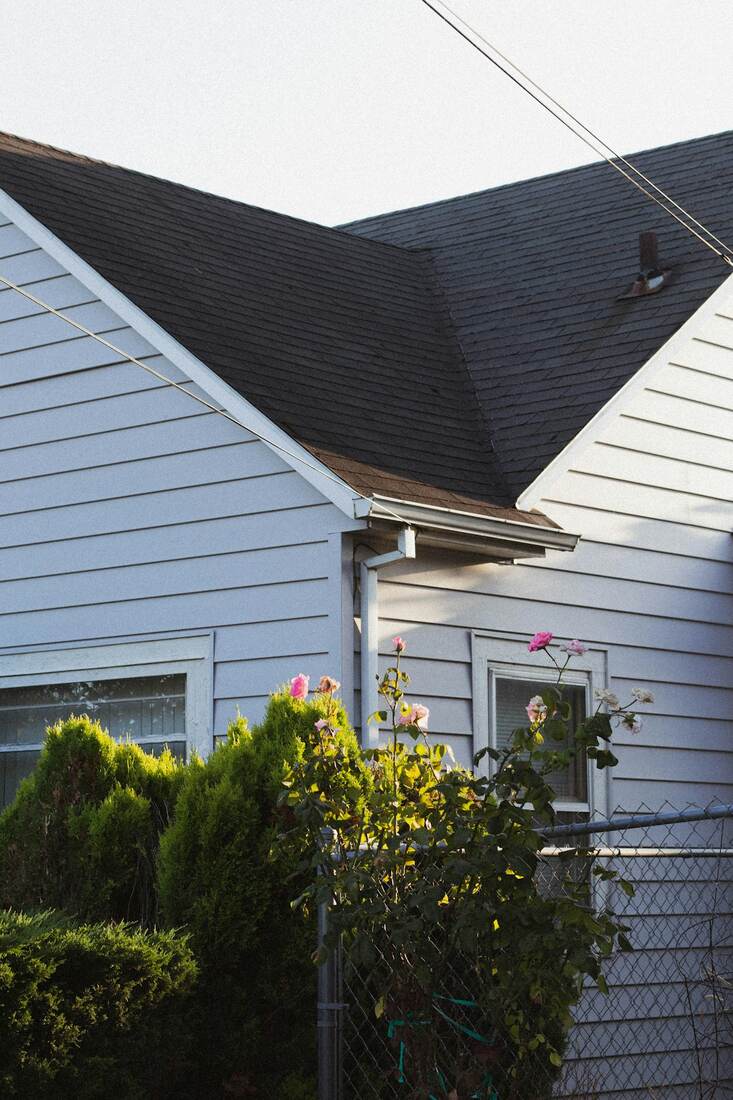
Those dark streaks on your roof aren't dirt — they're a bacteria called Gloeocapsa magma, and it spreads across shingles over time if left alone. We soft wash roofs at 150–300 PSI with a cleaning solution that kills the growth without stripping the protective granules off your shingles, which is the method most manufacturers require to keep your roofing warranty valid.
Full-pressure washing a roof is one of the fastest ways to shorten its lifespan, so we never do it. Learn more about roof soft washing, or call us today.
Deck & Patio Cleaning
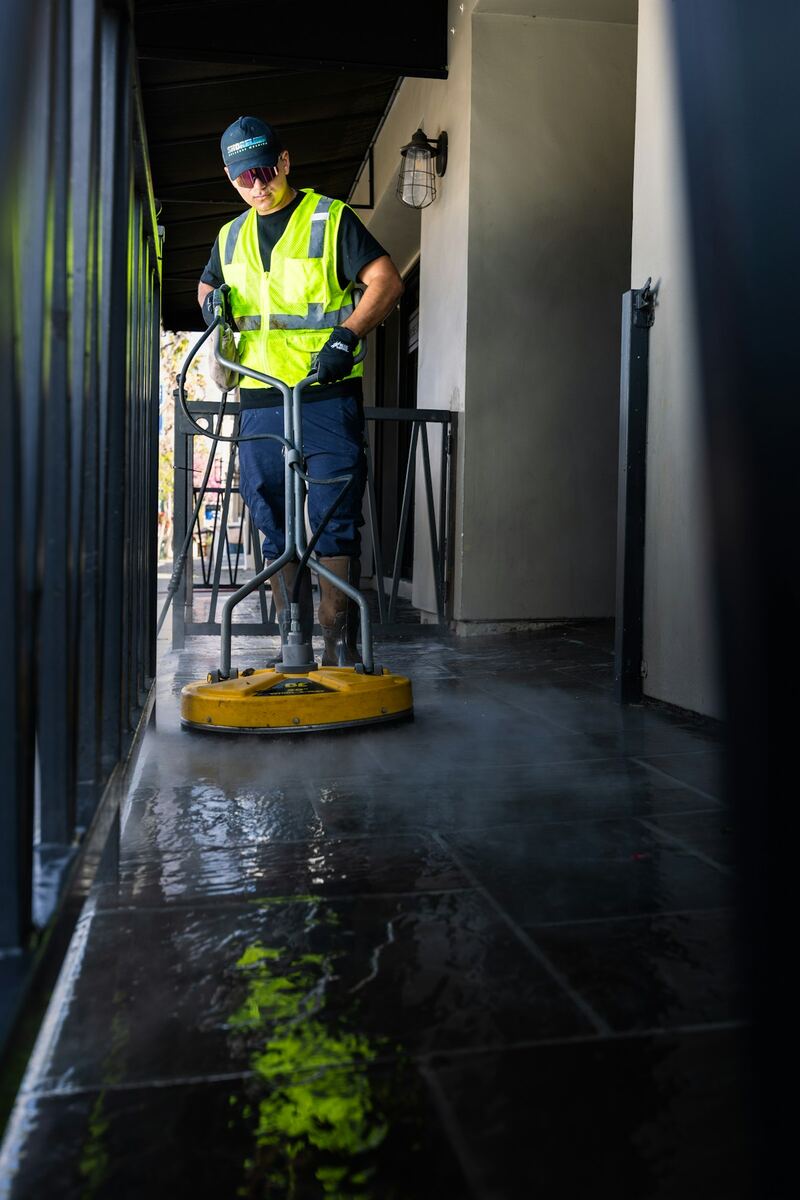
Decks are the one surface where too much pressure causes visible, permanent damage. Softwood fuzzes and splinters above roughly 1,200 PSI, composite dulls under the wrong chemistry, and a surface cleaner run over pavers pulls the sand right out of the joints. We set pressure and cleaner by material before the first pass, and detail railings and spindles by hand.
Cleaning also has to come before any stain or seal, since finish applied over mildew just gets pushed off from below within a season. See how our deck and patio cleaning works, or call us today.

Gutter Cleaning
Sandy Springs loads your gutters twice a year, not once. Oak catkins and seed pods come down from late March through May, then hardwood leaf drop runs October into December. Skip the spring visit and that catkin mat sits in the trough all summer, holding water and rotting into sludge that the fall leaves land on top of.
Overflow matters more here because of what is underneath: Piedmont clay does not absorb quickly, so runoff pools against the foundation instead of soaking away. We hand-clear the troughs, flush every downspout, and haul the debris off. Read more about gutter cleaning in Sandy Springs, or call us today.